What is tahdig? The crisp rice Iranians fight over
The golden crust from the bottom of the pot is the most prized part of a Persian meal. How it is made, and its rice, potato and bread versions.
In this article
Tahdig is the golden, crunchy layer of rice from the bottom of a pot of Persian rice. The word simply means "bottom of the pot". At an Iranian table it is the most fought-over part of the meal, more than the meat, and getting it right is a quiet point of pride in every Iranian home.
Tahdig in short
- What it is: the crisp crust that forms at the bottom of a pot of Persian rice
- Common kinds: plain rice, rice with yoghurt and saffron, thin potato slices, or flatbread
- Texture: glassy and crunchy outside, soft rice above
- Served: in pieces beside the rice and stew
- Also written: tadig, tah-dig (Persian: تهدیگ)
How Persian rice is cooked
Persian rice is not boiled and served. Long-grain rice is rinsed and soaked, then parboiled in salted water for a few minutes, until the grain is soft outside but still firm at the centre. It is drained, returned to a pot with oil or butter in the bottom, and then steamed slowly over a low heat with a cloth-wrapped lid catching the moisture.
The result is rice where every grain is long, separate and fluffy. The layer touching the hot oil at the bottom of the pot is what becomes tahdig.
The different kinds of tahdig
Rice tahdig
The simplest version. A layer of rice, sometimes mixed with yoghurt and saffron to make it richer and more golden, is pressed into the oiled pot before the rest of the rice is piled on top.
Potato tahdig: Persian rice with potato at the bottom
Thin slices of potato line the bottom of the pot. They fry slowly into crisp, golden discs that are soft in the middle. Many children's favourite, and the version people usually mean when they describe "Persian rice with potatoes at the bottom".
Bread tahdig
A thin flatbread laid at the bottom turns into something like a giant, buttery cracker. Quick and reliable.
Why tahdig is hard to get right
Too little heat and it stays pale and soft. Too much and it burns before the rice above is cooked. The cook cannot see it until the very end, when the pot is turned out or the crust is lifted, so it comes down to experience: the sound of the sizzle, the smell, the timing.
Can you make tahdig in a rice cooker?
Yes. Persian-style rice cookers are made for exactly this: they keep heating after the rice is done, so a crust forms at the bottom. With an ordinary rice cooker it takes more oil and a longer cook, and the result is paler. A heavy pot on the stove still gives the best crust.
Tahdig in a lunchbox
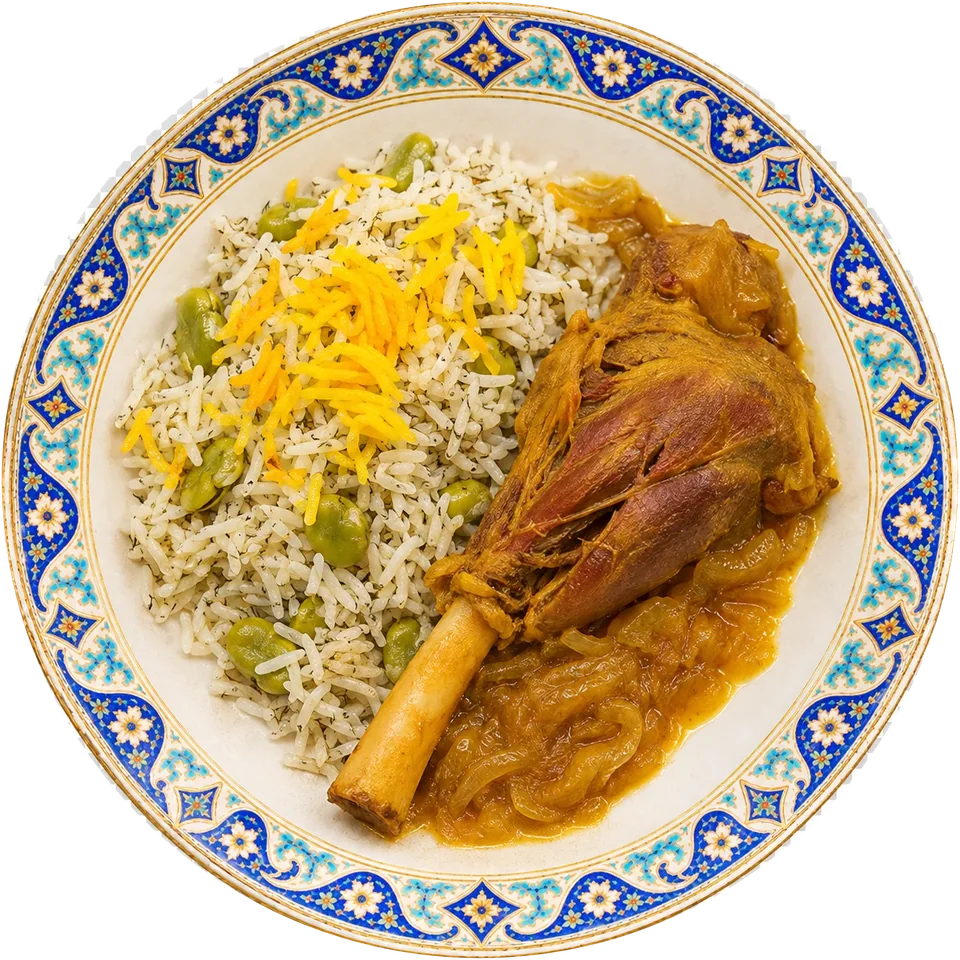
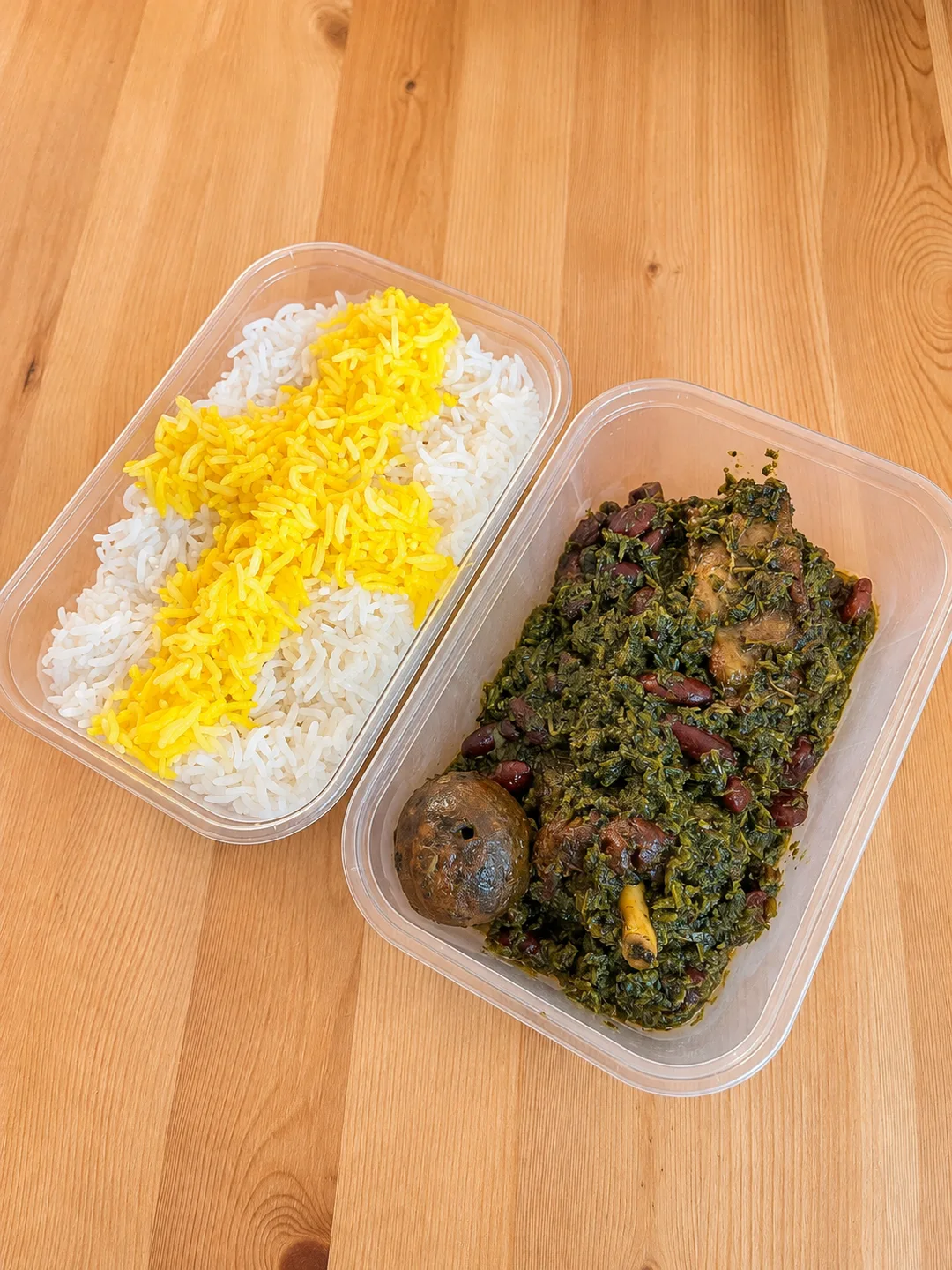
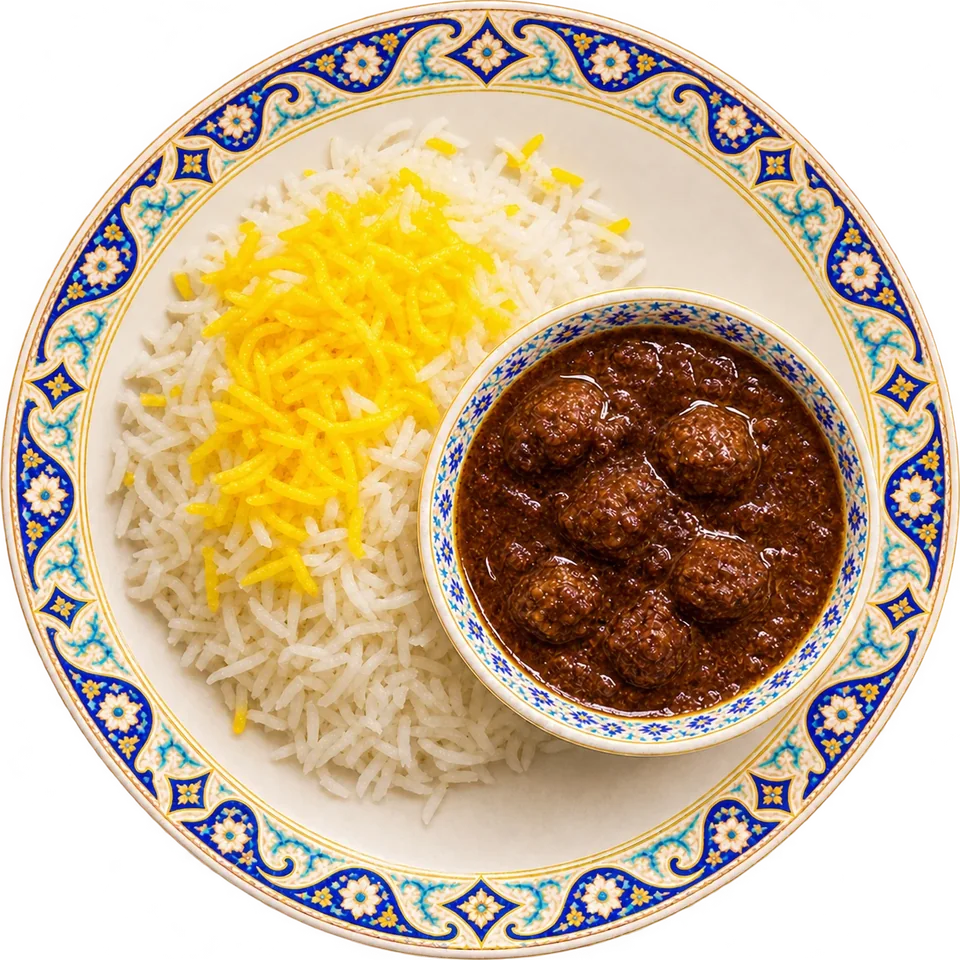
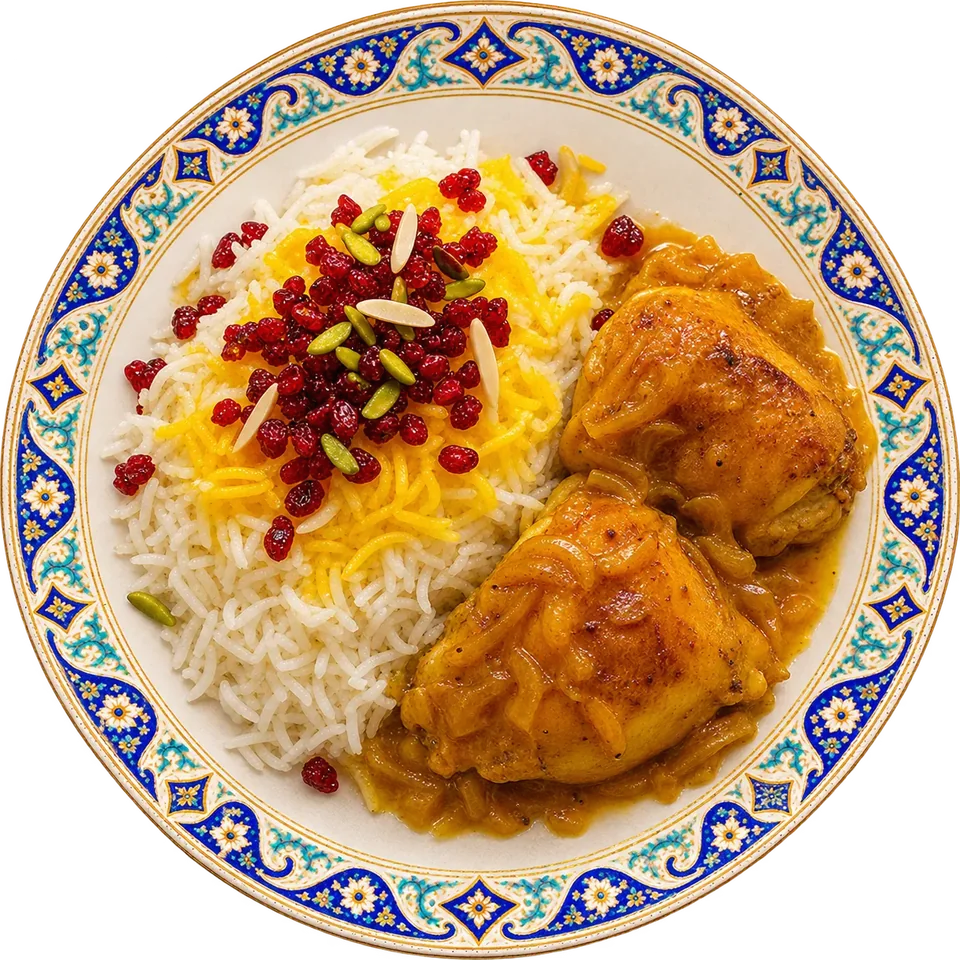
Tahdig is at its crunchiest straight from the pot, but it still makes the box feel like a real Iranian meal a day or two later. That is why every rice dish in Douri's Sunday box comes with a piece of tahdig on the side, whether it is ghormeh sabzi, fesenjan or baghali polo. See every dish Douri cooks, delivered in Stockholm on Sundays.
Frequently asked questions
What is tahdig?
Tahdig is the golden, crunchy crust that forms at the bottom of a pot of Persian rice. The word means bottom of the pot. It is also written tadig or tah-dig.
Is tahdig burnt rice?
No. Good tahdig is golden and crisp, not black.
What is potato tahdig?
Thin slices of potato laid in oil at the bottom of the rice pot. They fry into crisp golden discs while the rice steams above them.
Can you make tahdig in a rice cooker?
Yes. Persian-style rice cookers are built to form a crust at the bottom, and an ordinary one can do it with enough oil and a longer cook.
Can you make tahdig in a non-stick pan?
Yes, and it makes turning it out much easier.
How do you keep tahdig crisp the next day?
Warm it in a dry pan or an oven, not a microwave.